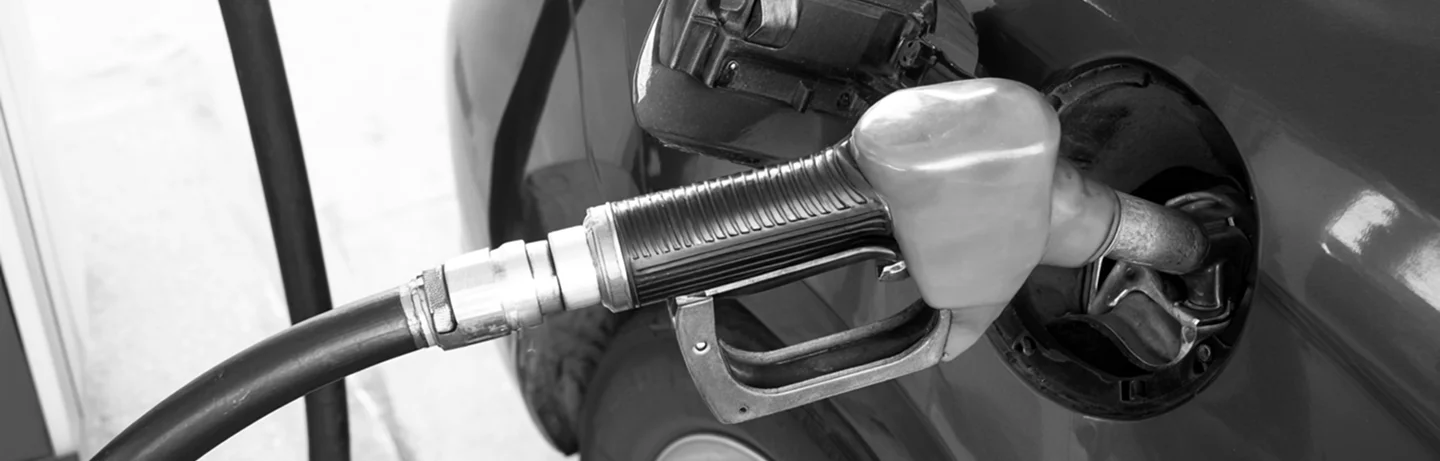
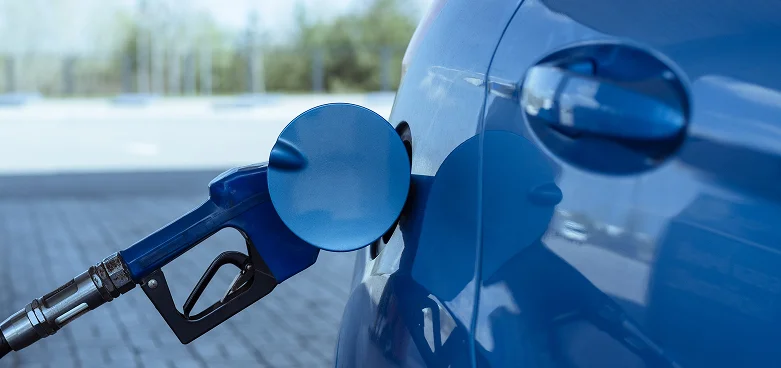
Diesel owners need a shop that understands the unique needs of their engines. At 3A Automotive & Diesel Repair, we offer expert diesel repair in Phoenix for all light and medium-duty diesel vehicles. Our team has extensive experience working on all major diesel platforms, including Ford Power Stroke, Dodge Cummins, GM Duramax, Mercedes Sprinter, and more. From routine maintenance to complex engine repairs, we have the specialized knowledge and equipment to keep your diesel running its best.
Diesel Engine Repair & Maintenance Services in Phoenix
Our diesel services include:
- Diesel engine diagnostics — advanced scan tools and compression testing
- Fuel injector repair & replacement — Powerstroke, Cummins, Duramax
- Turbocharger service & repair — boost leak diagnosis, turbo replacement
- DPF (Diesel Particulate Filter) cleaning & repair
- EGR system service
- DEF system repair — diesel exhaust fluid system diagnostics
- Diesel oil changes — every 5,000–7,000 miles recommended
- Glow plug replacement
- Diesel fuel filter replacement
- Diesel cooling system service
- Transmission service for diesel trucks
- Fleet diesel maintenance
Diesel Brands We Specialize In
We work on all major diesel platforms:
- Ford Powerstroke — 6.0L, 6.4L, 6.7L, 7.3L
- Dodge/Ram Cummins — 5.9L and 6.7L
- GM Duramax — LB7, LLY, LBZ, LMM, LML, L5P
- Mercedes Sprinter — diesel vans and cargo vehicles
- Ford/Ram Medium Duty — commercial diesel trucks
- Diesel SUVs & Passenger Vehicles — Jeep EcoDiesel, Chevy Colorado Diesel, etc.
Our Diesel Repair Process
When you bring your diesel to 3A, our certified technicians perform a comprehensive diagnostic evaluation.
1
We use advanced scan tools to retrieve engine codes and data, and conduct pressure and compression tests to check engine health.
2
We carefully inspect the fuel injection system, turbocharger, emission controls (EGR/DPF), and other critical components to pinpoint any issues.
3
Once we identify the problem – whether it’s a failing injector, a boost leak, a bad glow plug, or something else – we’ll explain what repairs are needed.
4
Our team can handle everything from replacing filters, sensors, and seals to overhauling a turbo or even major engine work.
5
We use high-quality OEM parts to ensure reliability under heavy-duty use.
6
After repairs, we test your diesel under load and at operating temperature to make sure it’s back at full power and running efficiently before returning it to you.
Signs Your Diesel Needs Service
Excessive exhaust smoke (black, blue, or white coming from the tailpipe).
Hard starting or very long crank times, especially in cold mornings.
Loss of power or sluggish acceleration (struggles to tow or climb hills).
A drop in fuel mileage or more frequent DPF regenerations than normal.
Check Engine light or diesel system warning lights (DEF/DPF warnings, glow plug light, etc.).
Why Choose 3A for Diesel Repair in Phoenix

3A Automotive & Diesel has been a trusted Phoenix diesel repair shop for decades.
Our diesel-certified technicians know the ins and outs of Power Stroke, Cummins, Duramax, and other diesel engines.

We use dealership-level diagnostic equipment to find and fix issues quickly and accurately.

As a family-owned business since 1975, we pride ourselves on honest service – we clearly explain what your diesel needs without unnecessary upsells.

Whether you have a diesel pickup, van, or fleet vehicle, we can handle all its maintenance and repairs under one roof.

We back our diesel work with a 3-year/36,000-mile warranty, so you can drive away with confidence.
Why Diesel Repair Matters for Your Engine
Diesel engines are built for power and longevity, but they require specialized care to stay reliable. Many diesel vehicles are used for towing, hauling, or commercial work – a breakdown can be costly and disruptive. Ignoring problems like bad fuel injectors or turbocharger issues can lead to poor performance, higher emissions, and expensive damage. Regular maintenance and prompt repairs maximize your diesel’s lifespan, performance, and fuel efficiency. And by trusting diesel experts to handle complex systems (like high-pressure fuel injection and emissions controls), you ensure the work is done right and your engine stays strong and compliant.
3-Year/36,000-Mile Warranty on Diesel Repairs
"We offer a 3-year/36,000-mile warranty on most repairs—up to 3× longer than dealers and typical shops. If a car came new with a 3/36 warranty, the parts we install should last just as long. And with nationwide coverage, you’re protected anywhere in the USA."
SEE MORE

Common Diesel Engine Problems & FAQs
What are the most common diesel engine problems?
There are several diesel problems that people bring their trucks in for. The main one is when the diesel has a check engine light on. Usually, when people try and diagnose something by themselves when there is a check engine light, that really leads into other problems. Diesel parts are very expensive, and if you are just throwing parts into the truck to try and fix the problem, that is going to get really expensive.
Other common issues include:
- Running Problems: This includes cases where the engine is not giving you the power that you are used to or it is hesitating.
- DEF System Issues: Problems with the diesel exhaust fluid system are very common. These usually require someone who has the proper tooling to be able to diagnose what the problem is.
How can someone tell if their diesel needs professional repair?
Typically, when there is a running problem or there is a check engine light of some sort on, that is when you want to go with a professional. You need somebody who has the proper equipment and the proper training to diagnose what is going on with the diesel. The challenge is that when you start throwing parts at a diesel, it gets very expensive fast because the parts in these trucks are pretty expensive. If you do not know specifically what is causing the problem, you might throw several parts in it and it still has the same problem because it was not properly diagnosed.
What are the warning signs of an injector or fuel system issue?
Problems with your injectors or the fuel system typically start with some kind of a long crank when you are trying to start the vehicle. You might also notice a misfire, or run into power problems where you get a little bit of a hesitation when you put your foot on the gas.
Other warning signs include:
- Black Smoke: This happens because the system is dumping too much fuel into the engine.
- Frequent DPF Regeneration: You may experience too frequent diesel particulate filter regeneration. This happens because too much fuel is being sent into the system, which clogs up that filter and causes it to want to regenerate all the time.
Why does a diesel engine blow black smoke?
Diesel engines typically blow black smoke when they are on a heavy acceleration. This happens when your foot is in the gas because you want to pass somebody, or you are carrying a heavy load up a hill. This is totally common as you are putting a lot of fuel into the engine.
You should be worried about this when it does not go away after acceleration. If you are not into the gas and it is always blowing black smoke, that tells you that you want to have a professional look at it because that is a deeper problem. This can be caused by problems with the injectors, a fuel system putting too much fuel in, or the engine not getting enough air. This can sometimes be caused by something as simple as a bad air filter.
What causes a diesel engine to overheat?
One of the most common things that causes a diesel engine to overheat is not having enough airflow going through the cooling system. In a diesel, you have the radiator up front and these trucks collect bugs and debris which blocks that airflow.
Other things that can cause overheating include:
- Gelled Coolant: If the cooling system has not been flushed often enough, coolant can get gelled up inside the radiator and prevent proper flow.
- Bad Fan Clutch: The fan clutch regulates how fast the fan spins. If it goes bad, it is not spinning fast enough and is not pulling enough air through the radiator.
- Low Coolant Levels: This could be because of an air pocket in the system after a change, or a slow coolant leak that has reached a point where the radiator is low.
How often should you change the oil in a diesel engine?
We typically recommend changing the oil between five and seven thousand miles, even though the manufacturer may say that you can go up to ten thousand miles. The problem with diesel engines is that they are often used as work trucks and they idle a lot. If that engine is running, it is not taking miles in the truck, but it is actually using time and hours. Sticking with every 5,000 miles is usually going to protect you for those extra hours that it is sitting with the air conditioning on or performing work on a job site.
What happens if you skip regular filter replacements?
If you skip regular maintenance for your filters, one of the first things that you are going to see is lack of power and acceleration.
- Air Filters: A dirty air filter causes air restriction, meaning it is not putting enough air into the system to burn efficiently.
- Fuel Filters: If your fuel filters are dirty, it puts a lot more pressure on the fuel pump to push fuel into those injectors. This can cause premature damage to your fuel injectors from rust, water, and any debris that came from the tank or the pump.
Why is preventative maintenance so important?
Preventative maintenance is really important because diesel engines are so expensive. These are high performance mechanical engines that need to be taken care of. If you do not take care of them, you may only get 150,000 miles out of the engine, and they cost $30,000 to $40,000 to replace. But if you do the regular maintenance, you can get 300,000 to 500,000 miles out of these things.
What should truck owners know about the cooling system?
The cooling system does not just affect the engine. It also cools the transmission and has everything to do with how cold your AC is blowing. If the engine coolant is too old or does not have the proper mixture, it will boil too fast and will not allow the engine to cool off. By changing that fluid out every 30,000 miles or so, you are going to have fresh coolant that keeps the engine contaminant-free.
How can you tell if glow plugs or batteries are the problem?
- Battery Issue: You will know it is a battery issue if the engine is just not cranking over fast enough. You have to have a lot of RPMs to be able to start a diesel.
- Glow Plug Issue: If it is cranking over really fast and it is not starting in cool weather, that could be a glow plug issue. The engine block is not getting heated up enough to actually ignite that diesel fuel. A red flag is if the truck was starting fine when it was warm out, but now it will not start when it is cool.
What are the most costly diesel repair mistakes?
The most costly thing you can do is throw parts at a problem rather than getting it properly tested by a professional. This can get very expensive fast because diesel parts are pricey. Another costly repair is when somebody runs gas through their diesel by mistake. If this happens, the tank needs to be drained and you need to put fresh diesel in the system.
The most expensive mistake is putting diesel exhaust fluid (DEF) into the fuel. If that fluid gets poured into the diesel, it crystallizes. If you turn that key on and the fuel pump pumps it into the injectors, you might have to replace everything from the tank up to the fuel injectors. If you make this mistake, you must stop, take the key out, and do not do anything.

Diesel Maintenance & Performance in Phoenix
What are the best maintenance habits for peak diesel performance?
The most effective habits are the simple ones recommended by manufacturers, focusing on clean fluids and filters. Key habits include:
Oil Changes: Change your oil every 5,000 to 7,000 miles to keep the engine clean. While some manufacturers suggest longer intervals, regular changes are “cheap insurance” for an engine that can cost $30,000 to $40,000 to replace.
Air Filter Maintenance: In dusty environments like Arizona, air filters should be checked or changed roughly every six months. This protects the turbocharger from compressing sand and debris into the engine.
Fuel Filter Changes: Most diesels require fuel filter replacements every 20,000 to 30,000 miles. This prevents contaminants found in standard pump fuel from clogging or breaking expensive fuel injectors.
How often should diesel owners schedule full maintenance services?
Maintenance should generally follow the manufacturer’s schedule for oil, fuel, coolant, and air filter services. However, for diesels used in commercial applications or those that spend a lot of time idling, maintenance should be performed more frequently. In these cases, service intervals are determined by engine “run time” rather than just mileage.
How does diesel fuel quality impact performance and longevity?
Unlike gasoline, diesel typically only has one grade at the pump. While fuel additives are available, they generally do not change performance significantly. Maximum performance and longevity come from the engine’s technology and ensuring all fluids and filters remain clean.
Why do regular filter changes make such a difference?
Clean filters ensure that the air and fuel entering the engine are free of debris, allowing injectors to fire properly and the engine to stay lubricated. This maximizes power and mileage while preventing the “undue wear” that occurs when an engine is forced to suck in dust or run on dirty, acidic oil.
How does driving style affect diesel fuel economy?
Just like a gas vehicle, “putting your foot in it” or racing from light to light will significantly reduce your mileage. However, modern diesels are so powerful that even with light pressure on the gas, they can achieve between 20 and 30 miles per gallon.
What role does the cooling system play in diesel efficiency?
Cooling system care is less about immediate efficiency and more about engine longevity. Over time, antifreeze can become acidic and eat away at rubber and metal components. Regular flushes prevent the coolant from gelling or plugging up the radiator, keeping the engine at an optimum operating temperature.
How can owners protect engines from extreme heat?
The best protection during extreme heat or heavy towing is staying ahead of all basic maintenance. A professional should check all fluids and service intervals; if a diesel is up-to-date on maintenance, it can handle heavy loads in high temperatures without issue.
Why is using the correct oil and fluid so important?
Modern diesels are highly specific regarding the types of antifreeze, transmission fluid, and differential oil they require. Using the wrong grade can cause issues like transmission “chirping” or hesitation. Using the correct, manufacturer-upgraded fluids ensures the vehicle lasts a long time and performs at its peak.
What benefits can fleet owners gain from consistent checks?
Fleet owners benefit from “professional eyes” that can predict failures before they happen, such as a battery about to go bad. Regular inspections at a repair shop allow technicians to take photos and keep records of potential issues, helping fleet managers avoid costly breakdowns and downtime.
What mileage can diesel owners realistically expect?
Realistic mileage varies by vehicle type:
- Eco Diesels: Can achieve 25 to 40 miles per gallon with proper maintenance.
- Heavy Duty/Work Trucks: Typically get 15 to 25 miles per gallon, even when carrying heavy commercial loads. With proper preventative maintenance, these engines can realistically last between 300,000 and 500,000 miles.
We also specialize in Jeep repair and full auto repair services for all makes and models.
Schedule Diesel Repair in Phoenix Today
For diesel repair you can count on, bring your vehicle to 3A Automotive & Diesel Repair. Whether you need a fuel system check, an engine performance fix, or major engine repairs, our diesel experts are ready to help.
Call us or schedule an appointment online today and experience the difference working with true diesel specialists. We’ll keep your Power Stroke, Cummins, Duramax or Sprinter running strong for the long haul.