“Every 3,000 miles” is the oil change rule most drivers grew up hearing, and “check your owner’s manual” is the answer most mechanics give today. Neither one fully accounts for what Arizona’s climate does to engine oil. If you’re driving in Phoenix, extreme heat is working against your oil every single day, whether you’re on the highway or just idling in a grocery store parking lot at 2pm in July.
Here’s what actually determines how often you should change your oil in this climate, and the warning signs that you’re overdue.
Why Heat Breaks Down Oil Faster
Engine oil has two jobs: lubricating moving parts and helping dissipate heat away from the engine. In extreme ambient temperatures, the engine is already running hotter to begin with, which means the oil is working under more thermal stress from the moment you start the car. Over time, this accelerates oxidation — a chemical breakdown that causes oil to lose viscosity, form sludge, and become less effective at protecting engine components.
Conventional oil breaks down under heat stress noticeably faster than full synthetic oil, which is one reason synthetic has become the standard recommendation for Arizona drivers even in vehicles where it isn’t strictly required.
The Manufacturer Interval Isn’t the Whole Story
Most modern vehicles come with a recommended interval somewhere between 5,000 and 10,000 miles for synthetic oil, based on testing conditions that don’t fully reflect Phoenix summers. Manufacturer intervals are a reasonable baseline, but they typically assume “normal” driving conditions — and extreme heat, frequent short trips, and heavy stop-and-go traffic (all common in the Phoenix metro) fall under what most manufacturers classify as “severe” driving conditions, which call for shorter intervals.
If your daily driving involves a lot of short trips around town, frequent idling in traffic, or towing and hauling, you’re likely in “severe service” territory even if your owner’s manual doesn’t spell that out clearly.
A Practical Guideline for Phoenix Drivers
As a general rule, we recommend synthetic oil changes every 5,000 miles for most Phoenix drivers, rather than stretching to the upper end of the manufacturer’s range, specifically because of how much added stress the heat puts on the oil. For older vehicles, vehicles still running conventional oil, or vehicles used for towing, ridesharing, or lots of stop-and-go driving, every 3,000 to 3,500 miles is a safer target.
The cost difference between more frequent oil changes and a major engine repair isn’t close — a routine oil change is one of the cheapest things you’ll ever do for your car, and skipping intervals to “save money” is one of the most common ways we see drivers end up with expensive engine damage instead.
Signs Your Oil Change Is Overdue
Beyond mileage, pay attention to your oil life indicator or maintenance light if your vehicle has one. A few other signs are worth acting on regardless of mileage: oil that looks dark and gritty rather than amber and translucent on the dipstick, a louder or more noticeable engine sound (oil breaking down reduces its ability to cushion moving parts), a burning smell, which can indicate oil that’s degraded or leaking onto hot engine components, and any dashboard oil pressure warning, which should never be ignored or driven through.
Why Oil Type Matters More in This Climate
If your vehicle is still running conventional oil, switching to full synthetic is one of the more impactful changes you can make for long-term engine health in a climate like Phoenix’s. Synthetic oil resists heat breakdown significantly better, maintains viscosity more consistently across temperature extremes, and generally allows for longer intervals between changes — which can offset some of the higher upfront cost per oil change.
What’s Included in a Proper Oil Change
A quality oil change should involve more than just draining and refilling. Our technicians also check oil filter condition, inspect for any visible leaks around gaskets and seals, check other fluid levels while the vehicle is already up on the lift, and give belts and hoses a quick visual inspection — since these are exactly the components that degrade fastest in Arizona heat and are easy to catch early during a routine visit.
Stay Ahead of Engine Wear This Summer
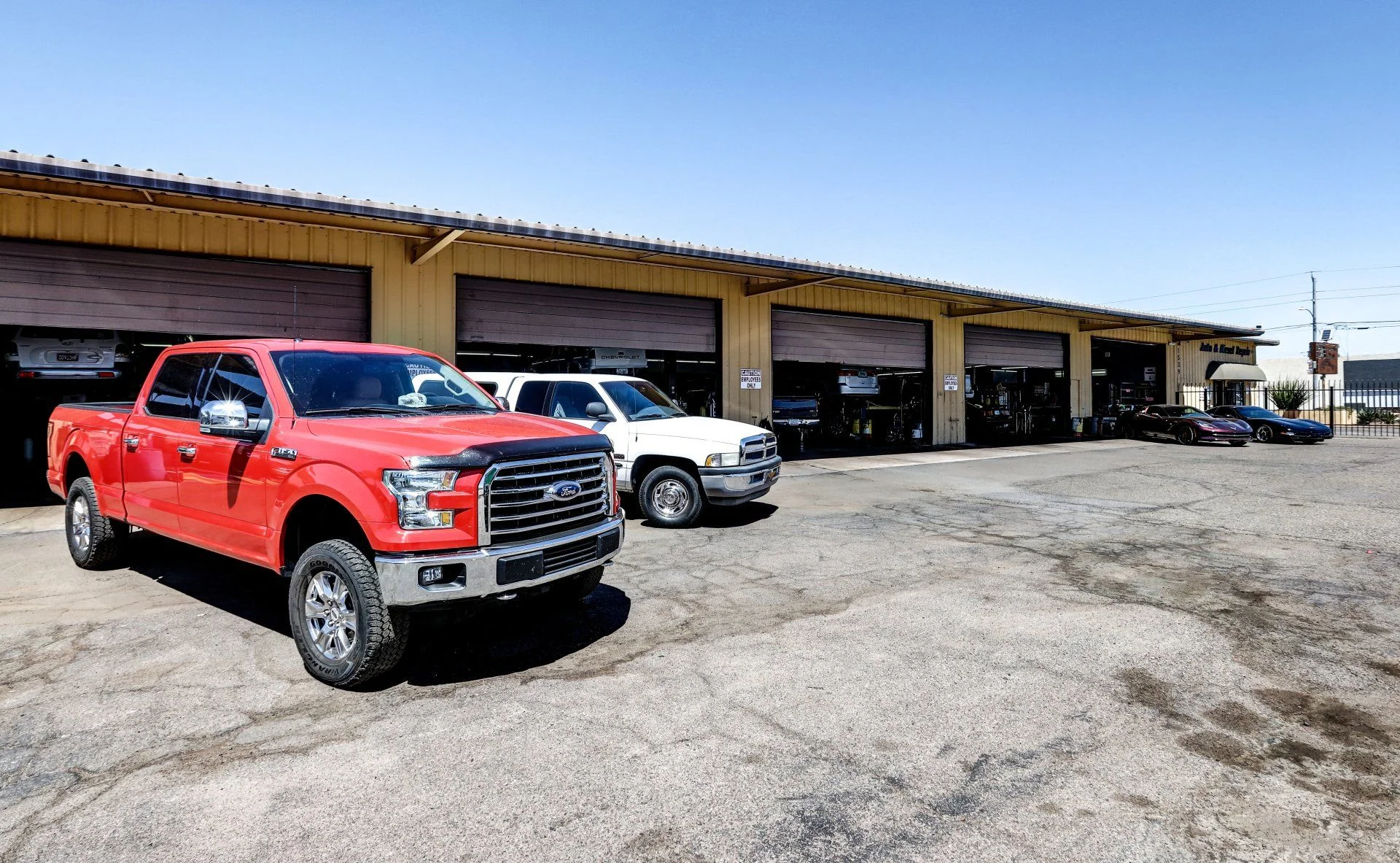
3A Automotive & Diesel Repair has been a family-owned, ASE-certified shop in Phoenix since 1975, and we tailor oil change recommendations to how you actually drive in this climate — not just a generic mileage number. Every service is backed by our 3-year/36,000-mile warranty, up to three times longer than most dealerships offer.
Not sure when your last oil change was, or whether you’re due? Call 3A Automotive & Diesel Repair at (602) 888-0588 or stop by 1539 W Hatcher Rd, Phoenix, AZ 85021. Ask about our free pick-up and drop-off shuttle service to make routine maintenance easy to keep up with.