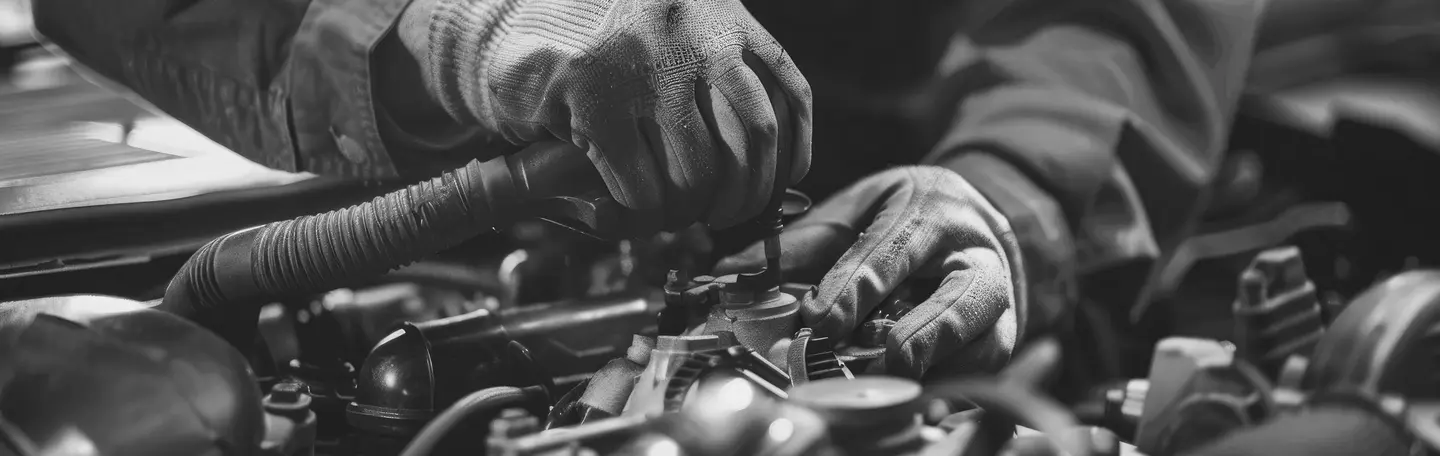
Engine Repair in Phoenix, AZ
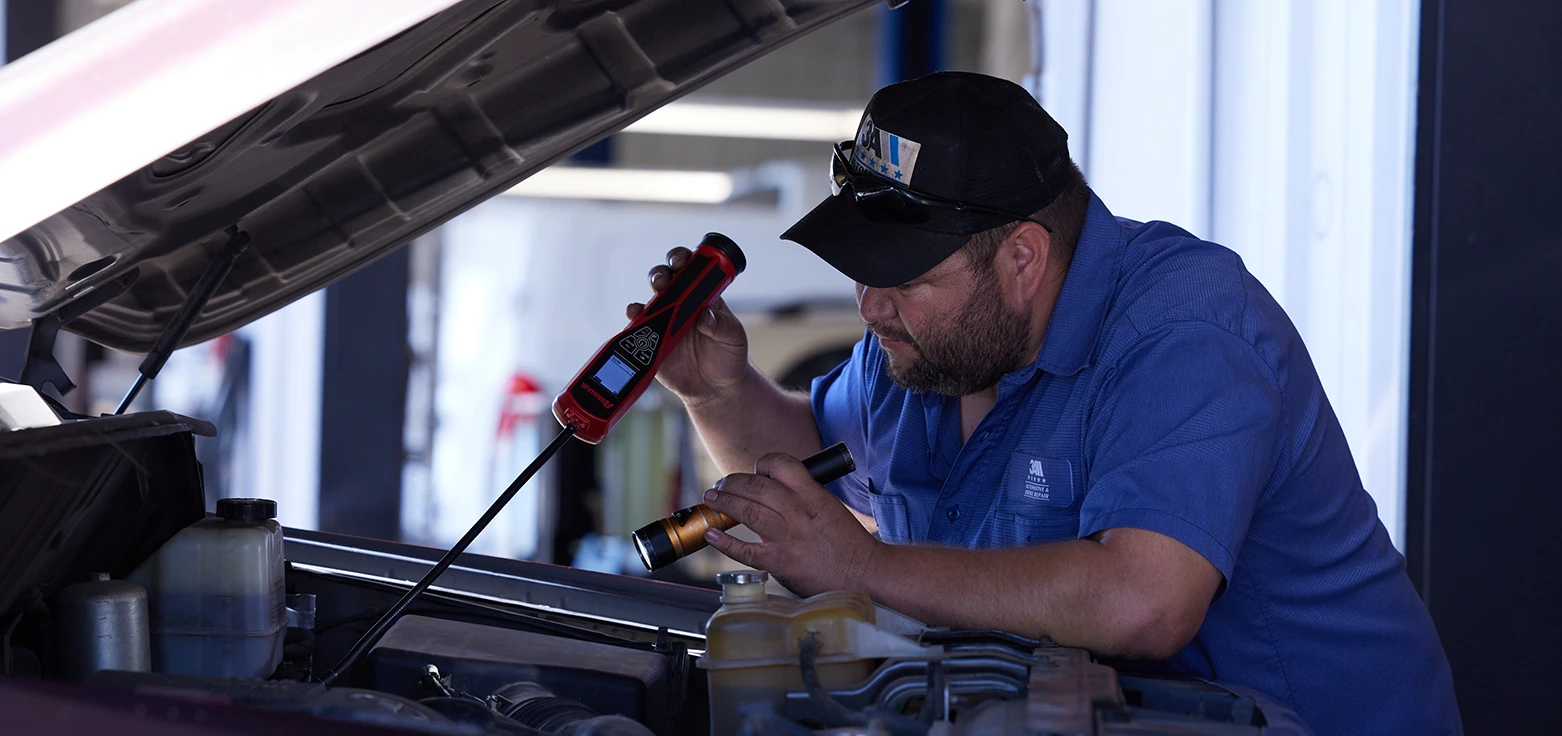
3A Automotive & Diesel Repair offers professional engine repair in Phoenix. Our experienced technicians can diagnose and fix engine issues big or small – from check-engine-light troubleshooting to major engine overhauls. We work on all makes and models, using state-of-the-art diagnostic equipment and quality parts to ensure your engine gets the care it needs.
Engine Repair & Diagnostic Services in Phoenix
Our engine services include:
- Check engine light diagnostics — pinpoint the exact cause, not just the code
- Engine tune-up — spark plugs, ignition coils, filters
- Head gasket replacement
- Timing belt and timing chain service
- Fuel injector cleaning and replacement
- Cooling system repair — overheating, water pump, radiator, thermostat
- Oil leak repair — valve cover gaskets, seals, pan gaskets
- Engine overhaul and rebuilds
- Engine replacement — remanufactured and used options
- Pre-purchase engine inspection
OUR PROCESS
At 3A, we start with a thorough computer diagnostic to pinpoint the root cause of your engine trouble.
1
Our certified technicians use advanced tools to identify the issue, then explain our findings and provide an upfront repair estimate.
2
We handle everything from minor fixes like replacing sensors or gaskets to major jobs like head gasket or timing chain replacements, always using OEM-quality parts for lasting reliability and only performing major repairs with your approval.
3
After the work is done, we perform a final test drive to ensure your engine runs smoothly and the issue is resolved.
SIGNS YOU MAY NEED SERVICE
The Check Engine light is on or flashing.
Engine misfires, stalling, or a consistently rough idle.
Noticeable loss of power or a drop in fuel efficiency.
Engine overheating, or visible leaks of oil or coolant under the vehicle.
WHY CHOOSE 3A
Since 1975, Phoenix drivers have trusted 3A for their engine repair needs.
As a family-owned shop, we’ve built our reputation on honest advice and high-quality work.
Our certified technicians can handle anything from minor fixes to major overhauls on all types of engines.
We invest in dealer-level diagnostic tools and continuous training, so we can accurately and efficiently repair even the most challenging issues.
We stand behind our engine work with a 3-year/36,000-mile warranty.
WHY THIS SERVICE MATTERS
The engine is the heart of your vehicle, and ignoring problems can lead to severe damage or even breakdowns. Phoenix’s heat and traffic put extra strain on engines, making proper maintenance and timely repairs especially important. By addressing engine issues early – whether it’s an oil leak, overheating, or strange noises – you can avoid costly repairs and extend the life of your vehicle.
3 YEAR WARRANTY
"We offer a 3-year/36,000-mile warranty on most repairs—up to 3× longer than dealers and typical shops. If a car came new with a 3/36 warranty, the parts we install should last just as long. And with nationwide coverage, you’re protected anywhere in the USA."
SEE MORE

Engine Overheating & Performance Issues
What causes an engine to overheat?
Typically, overheating occurs when something in the cooling system isn’t working or the engine has lost its coolant (antifreeze). Modern engines require coolant to absorb heat, as air alone is not enough to cool them. Common causes include:
- Low Coolant: Not having enough coolant to absorb heat.
- Fan Failure: Modern vehicles use electrical fans to push air through the system; if these fail, the engine cannot cool off properly.
What should I do if my temperature gauge starts rising?
You should immediately get off the main highway or street. If the gauge enters the red zone, it can cause permanent engine damage. Find a safe place to shut the vehicle off and have it towed to a repair shop.
Why does my car overheat in traffic but not on the highway?
This is usually due to an airflow issue. When driving at highway speeds (60–80 mph), the force of the speed pushes plenty of air through the radiator. In traffic, you rely on electrical fans to pull air through; if a fan is broken, the engine will overheat as soon as the vehicle slows down.
Can low coolant cause engine damage?
Yes, low coolant can cause major engine damage because the engine has no way to stay cool. Low coolant is often a sign of a leak, either externally on the ground or internally where it is being burned off inside the engine.
What happens if I keep driving an overheating car?
Continuing to drive an overheating car will likely cause catastrophic, major damage. You may end up needing to replace the top of the engine or the entire engine.
How do I know if overheating damaged my engine?
A mechanic can perform an “engine block test” to check for internal damage. If the vehicle was severely overheated, it may not even turn on or run anymore.
Why does my engine lose performance when it runs hot?
Performance drops for several reasons:
- Computer Intervention: Modern car computers will automatically reduce performance to try and save the engine from destroying itself.
- Mechanical Issues: High heat can throw off timing components or cause fuel to vaporize (turn into gas) before it even reaches the engine.
What smells or signs indicate overheating?
- Sweet Smell: Engine coolant has a very sweet smell that is noticeable even if the leak is small.
- Fluid Colors: Look for slightly oily, water-like fluids on the ground that are green, orange, red, or blue.
- A/C Issues: If your air conditioning stops working properly, it may be a sign the engine is overheating.
Can overheating lead to a blown head gasket?
Yes. A blown head gasket is typically caused by major overheating. The heat creates pressure that blows a hole in the gasket between the upper and lower parts of the engine. Signs include coolant leaking into the engine or steam coming out of the tailpipe.
How can engine overheating be prevented?
Preventative maintenance is the best way to avoid overheating. Key steps include:
-
Changing coolant at the proper mileage (typically every 30,000 miles) to prevent it from getting “gummed up”.
-
Keeping the system maintained so leaks or airflow problems don’t start in the first place.
How often should the cooling system be checked?
You should have it checked at least twice a year and definitely before any long road trips. A professional inspection should look at coolant levels, the condition of rubber hoses, and signs of leakage around the radiator or water pump.
When should overheating issues be inspected by a professional?
Anytime an overheating issue occurs, it should be inspected by a professional.
Important Safety Warning: Never take the cap off the radiator or the overflow bottle when the engine is hot, as the coolant can burn you badly. Have the car towed to a shop instead.

Common Engine Problems & Warning Signs
What are the most common engine problems drivers experience?
Drivers typically experience running issues where the vehicle feels hesitant or runs rough. This may involve the car struggling, shaking, or simply not “purring” as it should. While these symptoms are sometimes accompanied by a check engine light, that is not always the case.
What warning signs tell me my engine needs to be checked?
The most common early warning signs include:
- Check Engine Light: Modern vehicles are designed to trigger this light often before a driver can even feel a physical problem.
- Poor Performance: Hesitation when accelerating from a stoplight.
- Starting Issues: Hard starting or slow cranking in the morning, sometimes followed by a rough idle until the engine warms up.
Why does my engine make knocking or ticking noises?
Engines have many moving parts that can cause noise, but a frequent cause, especially in hot climates like Arizona, is using the wrong fuel. If a vehicle requires high-octane fuel (like 93 octane) and is filled with a lower grade during the summer, it can cause knocking. Addressing these noises early can prevent major damage.
What does it mean if my engine is running rough or shaking?
Rough running or shaking is a signal that the engine is not receiving the proper balance of fuel, air, or spark. Potential causes include:
- Ignition System: Worn-out spark plugs or a need for a tune-up.
- Fuel Delivery: A failing fuel pump that isn’t providing enough pressure.
- Air Flow: A plugged air filter that is starving the engine of air and causing it to “chug”.
Why does my car feel like it's losing power?
A loss of power is usually related to the “burn” process, which requires fuel, air, and spark. Common culprits include:
Dirty Fuel Injectors: Just like a showerhead getting plugged with calcium, injectors can get carbon buildup, causing them to drip instead of spray efficiently.
Plugged Filters: A clogged fuel filter or air filter prevents the engine from getting the volume of materials it needs to create power.
Ignition Wear: Spark plugs or other ignition components that need servicing.
Is it safe to keep driving with engine problems?
It is not recommended, as an engine that is struggling could shut off unexpectedly, creating a safety hazard on the freeway or leaving you stranded in extreme heat. If your check engine light is flashing, you should stop driving immediately and get the vehicle to a mechanic.
What causes an engine to misfire?
Misfiring is typically caused by issues in one of three areas:
- Tune-up Needs: Worn spark plugs, wires, or failing ignition coils.
- Fuel Pressure: A fuel pump that isn’t delivering enough pressure to the engine.
- Air Control: A plugged air filter or a malfunctioning system that regulates air intake
Why does my check engine light turn on for engine issues?
The light is part of the “onboard diagnostic system,” acting as a warning system for the car’s computer to tell you something is wrong. It functions much like a human body feeling an ache or pain to signal that a check-up is needed.
What happens if engine problems are ignored?
Minor issues can quickly spiral into much more expensive repairs. For example, ignoring a faulty fuel injector (a few hundred dollar fix) can lead to excess fuel dumping into the exhaust and destroying the catalytic converter (a few thousand dollar fix).
What does an engine diagnostic check actually do?
A true diagnostic is more than just reading a computer code. It involves:
- Technician Testing: A specialist physicaly tests components, checks fuses, and unplugs parts to see how the engine reacts.
- Parameter Review: Analyzing how fuel is being delivered and how the engine is performing in real-time.
- Pinpointing the Root Cause: Distinguishing between a “bad sensor” and a simple broken wire, which prevents you from buying unnecessary parts.
How can early repairs save money long-term?
Catching a problem early stops it from becoming “progressive”. A noise caused by one worn part might cost $800 to fix. If ignored, metal shavings from that part can distribute through the entire engine, eventually requiring a total engine replacement.
For complete vehicle care, explore our auto repair services or learn about our transmission service.
If your engine is acting up or a warning light has appeared, don’t wait for it to get worse.
Call 3A Automotive & Diesel Repair or schedule an appointment online for expert engine diagnostics and repair. Our team will get you back behind the wheel of a smooth-running vehicle in no time.